Tag: Gezondheid

  • 8 redenen om in beweging te blijven

    8 redenen om in beweging te blijven

    Bewegen is gezond! Niet alleen gezond voor je fysieke gesteldheid, maar ook voor je geestelijke gezondheid. Even een wandeling maken op het strand of een uurtje yoga na een lange werkdag; het helpt om je hoofd leeg te maken en uiteraard om te ontspannen. Als je het druk hebt is het juist goed om regelmatig te yogaën.

    Beweeg en sport jij genoeg?

    De gezondheidsraad in Nederland heeft een advies opgesteld voor beweging; volwassenen zouden 150 minuten per week aan matige of zwaar intensieve inspanning moeten doen. Dit kan bijvoorbeeld door een half uur te wandelen per dag. Minimaal 2 keer per week spier- en botversterkende activiteiten worden ook aanbevolen. Balansoefeningen zijn met name goed voor ouderen. Hierbij kan je vitaminen innemen zoals Calcium of Magnesium of vitamine D. Dit is goed voor je botten, spieren en zenuwen.

    1. Je hebt minder kans op een hoge bloeddruk

    Als je ouder wordt, neemt de kans op een hoge bloeddruk toe. Je aderen worden namelijk in de loop der jaren steeds stijver en nauwer. Door regelmatig actieve yoga te beoefenen, verbeter je de conditie van je hart en bloedvaten. Op deze manier krijg je een goede bloedcirculatie en soepele bloedvaten, wat resulteert in een verlaging van je bloeddruk.

    2. Je krijgt er veel minder stress van

    Even lekker een uurtje yogaën maakt je hoofd leeg en helpt je te ontspannen, zowel geestelijk als lichamelijk. Al heb je het druk, maak toch even tijd vrij om een reeks zonnegroeten te doen.

    3. Je maakt nieuwe sociale contacten

    Samen yogaën met vrienden is niet alleen erg gezellig, het is ook goed voor je sociale vaardigheden. Door bij een yogaschool lid te worden leer je weer nieuwe mensen kennen.

    4. Je krijgt soepelere gewrichten

    Blijf ook op oudere leeftijd yogaën, en je onthoudt de soepelheid in je gewrichten. Maar denk niet dat gewrichtspijn alleen iets is waar je later in het bejaardenhuis tegenaan loopt! Kraakbeen verslijt nou eenmaal, en hoe eerder je je hier van bewust bent, hoe beter je het probleem kunt aanpakken met vitaminen van Flinndal. Glucosamine bevat de plantaardige stof curcumine, wat afkomstig is van de kurkumaplant. Deze stof helpt de gewrichten soepel te houden, wat belangrijk is voor wanneer deze onder druk komen te staan tijdens het yogaën. Daarnaast is het een antioxidant, die de lichaamscellen beschermt tegen de invloeden van buitenaf.

    5. Je krijgt een betere conditie en meer energie 

    Door te bewegen krijg je meer lucht. Hierdoor verbetert je conditie maar ook je longinhoud. Zo raak je minder snel buiten adem en heb je ook meer energie.

    6. Het geeft je een goed gevoel

    Tijdens het yogaën, maakt je lichaam de hormonen endorfine en serotonine aan. Deze twee hormonen hebben een positieve invloed op je gemoedstoestand en geven je een goed gevoel. Endorfine heeft bovendien een kalmerend effect, waardoor je je na het yogaën vaak ook ontspannen voelt.

    7. Het bevordert de beweging van de darmen

    Voldoende bewegen is belangrijk voor een goede spijsvertering. Yogaën bevordert de beweging van de darmen, hierdoor verteert je eten makkelijker. Je darmmotoriek is belangrijk voor de vertering en je stoelgang. Gember helpt bij een goede spijsvertering. Daarnaast werkt slanke thee bevorderlijk voor je darmen. Ook is het goed om voldoende vezels binnen te krijgen. Deze zitten onder andere in volkorenbrood.

    8. Het helpt je lichaamsgewicht op pijl te houden en bij het afvallen

    Als je beweegt bouw je meer spierweefsel en botcellen op. Hierdoor krijg je meer spierkracht en verhoogt het je stofwisseling in je lichaam. Op deze manier val je ook sneller af. Door te yogaën verbrand je kilocalorieën. Wanneer je minder kilocalorieën per dag binnen krijgt (via je voeding) dan je verbrandt, dan val je af.
  • Fridge Fresh is de oplossing!

    Fridge Fresh is de oplossing!

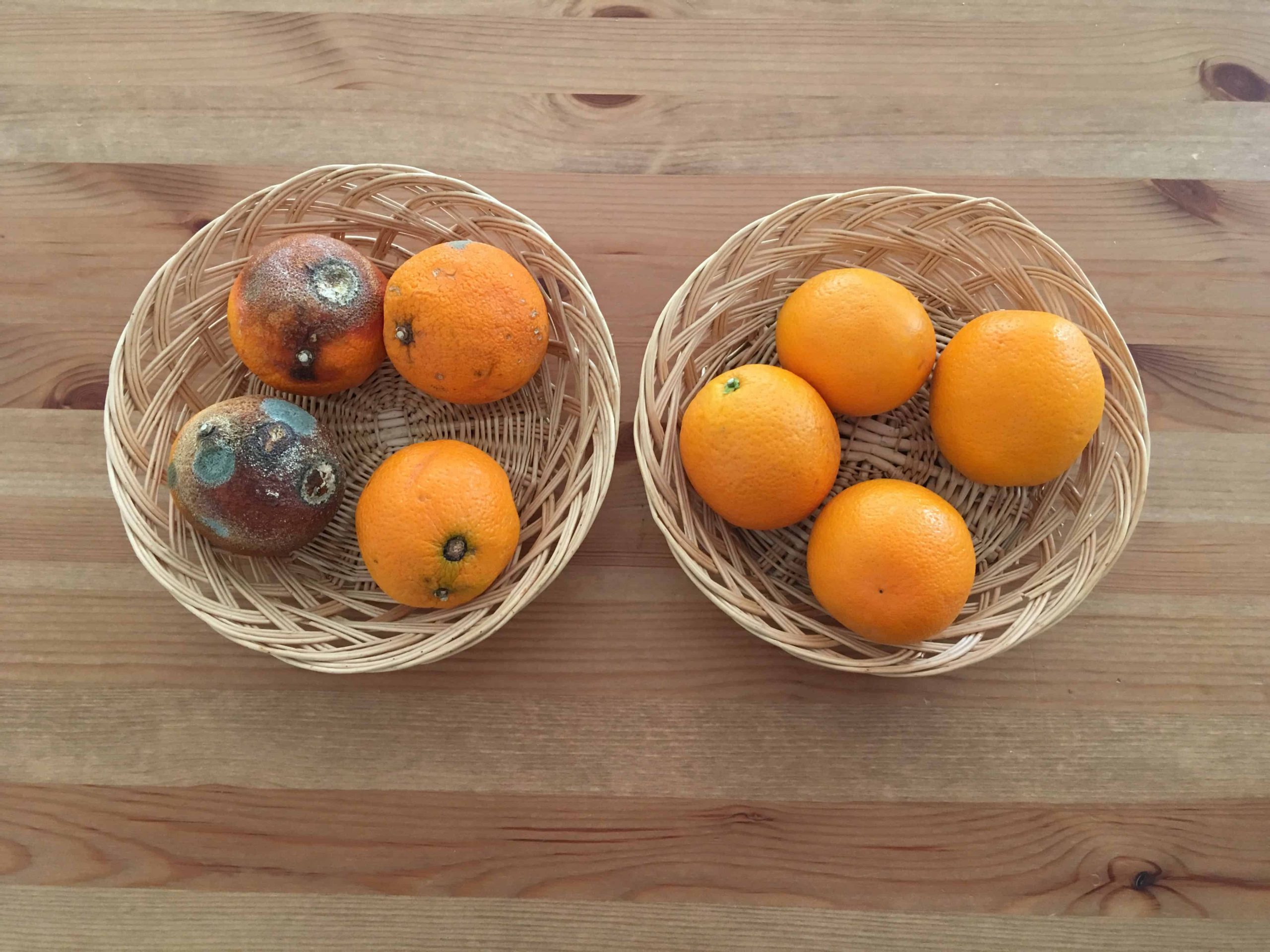
    In Nederland verspillen we gemiddeld 48 kg voedsel per persoon per jaar! Dit is slecht voor het milieu en natuurlijk zonde van het geld. Om deze verspilling tegen te gaan heeft Svitec de Fridge Fresh ontwikkeld. Het is een simpele patch/sticker die je in je koelkast plakt. Deze helpt je om je voedsel langer vers te houden, voorkomt stank en onnodig gebruik van plastic. 

    Ook buiten de koelkast is de Fridge Fresh te gebruiken. Foto Svitec Fridge Fresh is zeer gemakkelijk in gebruik en – in de koelkast – tot 3 jaar houdbaar. Ook buiten de koelkast kan je de Fridge Fresh gebruiken om eten vers te houden. Denk hierbij aan marktkramen, foodtrucks, fruitstallen en fruitmanden. In de open lucht gaat een Fridge Fresh patch ongeveer 1 jaar mee.

    Over Tocrop
    Tocrop selecteert innovatieve technologieën en importeert de producten van Svitec, zij hebben de Fridge Fresh ontwikkeld. Tocrop heeft een missie: het leveren van innovatieve Zwitserse producten om bij te dragen aan het milieu en aan de volksgezondheid.


    Bestel direct je set van twee Fridge Fresh patches met 20% korting!


    English

    Fridge fresh is the solution!

    In the Netherlands we waste an average of 48 kg of food per person per year. To help fight against the waste which is damaging the environment, Svitec has invented the Fridge Fresh. Ideal for fridges at home, market gardeners, market stall holders, supermarkets and fruit baskets. For anyone and everywhere.
    Durability: 1 year in open space, 3 years in fridge

    Een simpele patch/sticker die je in je koelkast plakt. Foto Svitec About Tocrop
    Tocrop selects innovative technologies for the Ecological Transition, Health and Well-being.
    Tocrop imports products from Svitec who have developed the famous Fridge Fresh (aka Fresh Wave) to reduce home food waste.

    Tocrops Goal
    The goal is to deliver new innovative Swiss products, in order to create a better quality of life and thereby contribute to protecting the environment and public health.

    Function: Two Fridge Fresh per fridge up to 500 l of volume, one for 150 l in semi-open display coolers, one per fruit basket or one per 100 l of volume on shelving display.


    Voedsel blijft langer vers, Afbeelding va PublicDomainPictures


  • Detox Your Cosmetic Cabinet

    Detox Your Cosmetic Cabinet

    When considering a detox, most people think of the food they eat, or not eating anything at all, to help rid their body of toxic or unhealthy substances. But, what you put ‘on’ your body is just as important as what you consume. Pick up any personal care product and try to pronounce the ingredients. Many contain large amounts of chemicals–natural and synthetic–and we are just beginning to recognise the harmful effects that it can have on our bodies. 

    Why it Matters

    The cosmetic and beauty industry, as a whole, is unregulated and laws vary from country to country. The European Union, which now consists of 28 countries, has more strict and protective laws for cosmetics than the United States. The EU Cosmetics Directive was enacted in 2003 and most recently revised in 2013. The EU law bans more than 1,300 chemicals from beauty products that are considered harmful and are known or suspected to cause cancer, genetic mutation, reproductive harm, or birth defects. In contrast, the Food and Drug Administration in the US has banned or restricted only 11 chemicals from cosmetics. Unlike the United States, EU law requires safety assessments of cosmetics before they enter the market, registration of cosmetic products, and acknowledges that certain chemicals do not belong in beauty products regardless of the concentration factor.

    According to a study done by the Environmental Working Group, the average woman uses 12 personal care products a day, containing about 168 unique ingredients. Research on long-term exposure is lacking in the scientific arena, especially on the effects of chemicals when they are combined. Also, scientists have reported that under the right circumstances–factors like temperature and exposure over time–the skin can absorb certain things to the point where they affect our bodies.

    How to detox your cosmetics

    To start detoxing your beauty routine, begin by taking stock of all the products you use and see what you can substitute with safer, more natural choices to detox your entire body, on the outside and the inside.

    Research the Ingredients Depending on where you are, there may be no legal standards for personal care products labelled as natural or organic, so look beyond what it says on the bottle and read the ingredients carefully. Thankfully there are some ways to make this less overwhelming, including some apps that will tell you which ingredients to avoid.

    Simplify Your Routine Choose products with a simple ingredient list and fewer synthetic chemicals. A good rule of thumb is that if you cannot pronounce it, it’s probably best to avoid it. For example, pick up your toothpaste and try to pronounce the ingredients. Some toothpastes include toxic ingredients, such as Triclosan and Propylene Glycol, that can easily absorb into your bloodstream. Stick to products with only a few ingredients listed and avoid synthetic perfumes by skipping products with “fragrance” on the label.

    Know Which Ingredients to Avoid Read what’s inside before you apply anything to your skin, lips, or hair. The David Suzuki Foundation has published a list of 12 key ingredients to steer clear of in its article “Dirty Dozen: cosmetic chemicals to avoid” — a great place discover the ugly facts about your makeup.  

    What Products to Ditch First

    To detox your cosmetic cabinet, prioritise by assessing what you use the most. For many women, this means replacing your current body lotion first. Skincare products are probably the one thing you use the most of and most often. Your skin, with its large surface area, has the most potential for harm. Substitute body lotion for an all-natural and organic alternative such as 100 percent cold-pressed coconut oil. Look for natural option, such as essential oils for perfume and hair care products. Ditch your deodorant and use one made from coconut oil, baking soda, and shea butter. Slowly replace your makeup over time, opting for products with environmentally safer ingredients that are natural. Look for organic beauty products that are sustainably sourced and manufactured and packaging in a biodegradable or recyclable container so they are less harmful to the environment.

    Even better, replace store bought beauty products with homemade ones. It can be cheaper, and you don’t have to worry about ingredients you can’t pronounce since you will always know exactly what’s going in them.

    Natural Cosmetics To Make At Home

    Try some do-it-yourself beauty recipes; you’ll be surprised at what you can create on your own. Some personal care products are easy to make with ingredients from your kitchen. There are numerous books and websites that share their all-organic recipes. Stock up on natural ingredients and use them in a multitude of ways for the hair, skin, and cosmetics. For starters, coconut oil is a favourite since it has numerous uses for the hair and body. For teeth, baking soda mixed with hydrogen peroxide is an effective whitening toothpaste that also kills bacteria.

    Useful Apps

    Apps like Healthy Living and Shop Clean are useful tools for locating good clean products. The Healthy Living app from Environmental Working Group rates more than 120,000 food and personal care products and the Shop Clean app by Think Dirty is  user-friendly and ranks the safety of products on a scale of 1 to 10, and provides more eco-friendly alternatives for when you do your cosmetic cabinet detox.

  • Enemas and Their Incredible Impact on Your Health – An Easier Procedure Than You’d Imagine

    Enemas and Their Incredible Impact on Your Health – An Easier Procedure Than You’d Imagine

    In case you’ve never heard about the use of an enema, you’re in the right place. An enema is a procedure that stimulates stool evacuation and relieves constipation. It’s a liquid treatment that conveniently helps push waste out of the colon, with your body reaping many benefits in the process.

    The average person has almost 5 kgs, if not more, of waste inside their large intestine, so periodically including enemas into your routine can be advantageous to your health. They are especially helpful to those individuals who do not have at least one regular bowel movement per day. Guided support is always recommended, too, especially for your first time. Read on to learn about the benefits of this ancient technique for cleansing the colon–which you can do either at home or in the comfort of your local spa.

    History: An Ancient Detoxing Technique

    Dating back to 1500 B.C., the Egyptians were the first recorded people to use the procedure of colon flushing. References have also been made to enemas in ancient texts, from the Babylonians and Assyrians in 600 B.C. to the Ancient Greeks, to Africans along the Ivory Coast in 500 A.D. and among the rich in the Middle Ages. The 17th century became known as ”the age of the enemas” and Parisians would use them three to four times daily. In the 19th century, the development of rubber gave way to more advanced colon hydrotherapy equipment. And the craze ultimately reached into the fancy neighbourhoods of Beverly Hills in California in the 1950s.

    Today, the procedure of cleansing stool residue from the large intestine is also called ‘colonic lavage’ and ‘colonic irrigation’. Variations of this flushing technique are used world-wide, and are growing in popularity as the idea of inner hygiene spreads.

    Colon Problems and their Effect on the Body

    The role of the colon is to absorb liquid and nutrients from food and to remove waste and toxins from the body. Over the years, however, and especially with the increased exposure to chemically infused food, the walls of the colon can become encrusted with residual waste. This, in effect, makes for a slower and inefficient digestive system.

    What Ailments do Enemas Treat?

    Usually diet changes and exercise are recommended as the first steps in treating gastrointestinal issues such as constipation. Laxatives may be recommended by a doctor as well, and enemas are often used for the first time when the “dis-ease” has become more advanced. After discovering the benefits, many people get them regularly.

    It makes sense that this technique is used in treating colitis, since the way an enema enters the body is directly through the rectum. Colitis, for those unfamiliar, is an inflammation of the inner lining of the colon. Colitis has variations, which include the ulcerative type, inflammatory bowel disease, Crohn’s disease, and more.

    Surprisingly, enemas can be effective in treating a variety of ailments other than stomach issues. These include backaches, Candida yeast infections, headaches, hemorrhoids, skin problems, weight issues, fatigue, and more. Constipation is often treated with enemas, and it is important to do so, as residual accumulation in the large intestine can lead to colon cancer. Yale researchers have also discovered that constipation is linked to the herpes virus and kidney disease. This shows that, as seems logical, the body is a system that works in a unified way, and all organs influence each other. Consequently, the benefits of an enema are all-encompassing; this includes improvement in mood as the stomach and its chemical reactions have been proven to have important links to the brain.

    Effects on the Body

    The benefits of enemas are wide-ranging and include eliminating bacteria, toxins, and excess fatty acids from the intestines, and aiding in the restoration of the stomach’s natural flora. They can also have a positive impact on the nervous system, flushing away exhaustion and anxiety. Enemas help to balance hormones, control appetite, regulate sleep, and improve mental processing. Enemas can also clear your skin, and improve concentration and circulation.

    The Right Preparation

    This is how you do it. It’s important to sterilise all equipment and start with an empty stomach and bladder before proceeding. Ideally, you should have a few old towels underneath your body in case the liquid leaks. A water bag is filled with warm water and, optionally, a mixture of ingredients depending upon your preferences and goals. The tube, attached to the bag, is then slowly and carefully inserted into the rectum–it is especially helpful to keep a lubricant handy in order to facilitate the insertion. With the bag slightly elevated, gravity begins the flushing process pumping water into the colon.

    Recipes for Enemas

    Generally speaking, there are two types of enemas. Cleansing enemas are meant to be retained for two to three minutes, until the body’s impulse naturally expels them; and retention enemas are meant to be held for about 15 minutes.

    Here are some cleansing enemas to consider:

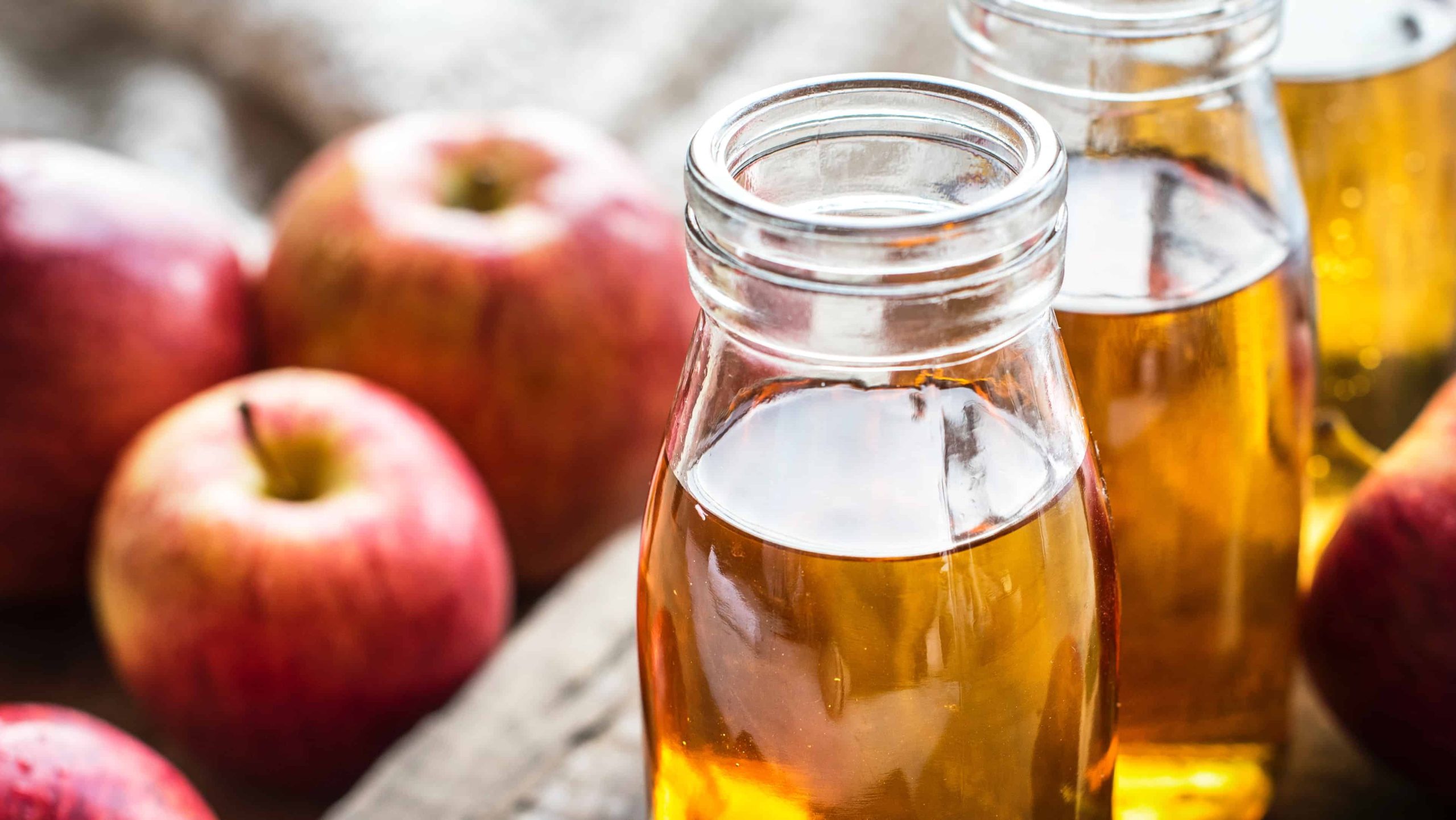
    • Apple cider vinegar enemas (2-3 tbsp diluted in water) clear mucus from the body and to eradicate viral conditions.
    • Burdock root enemas aid in eliminating calcium deposits as well as purifying the blood.
    • Lemon juice enemas detoxify the system and balance the pH level.

    Some retention enemas include the following:

    • Organic coffee enemas stimulate the liver and gallbladder to eliminate metabolic and environmental toxins (no more than 15 minutes).
    • Probiotic enemas are ideal for treating Candida or yeast infections.
    • Red raspberry leaf enemas are particularly helpful for women as they are high in iron, and they are also good for the eyes.

    Safety

    The most crucial part of using an enema is to be safe. Be careful to investigate options thoroughly, be aware of possible allergic reactions, and be careful with the insertion of the tube as it is possible to damage the walls of the rectum if it’s not properly lubricated. Also, use them in moderation as there is potential for too much of a good thing. And when in doubt, consult with a specialist.

  • Ayurveda: Natural Herbs and Spices to Balance your Dosha

    Ayurveda: Natural Herbs and Spices to Balance your Dosha

    Crowned as one of the world’s oldest holistic medicines of all time, Ayurveda originated in India and has its roots in the B.C. era. Ayurvedic medicine is based on the premise that wellness and health depend on a delicate balance between a person’s physical constitution, mental and emotional nature, and spiritual outlook. It is a combination of six Indian philosophical systems, behavioural and physical sciences, and medical arts.

    At a deep level, our beings strive for balance, as it is only in a state of heightened health that our bodies and minds can truly function at their best: to be healthy, there must be harmony between our purpose for healing, our thoughts, feelings, and our physical actions. Ayurvedic medicine seeks to inhibit sicknesses caused by stressors such as inherited defects, injuries, climate or seasonal fluctuations, time management, and unregulated emotions.

    History of Ayurveda

    Ayurveda is recorded in the Veda, the world’s oldest existing literature, the Veda. By 400 AD, the Ayurveda system of healing had come to deeply influence other health care practices, such as Chinese medicine as well as Buddhist philosophy. Currently, Ayurveda has spread throughout the East and West, and practitioners are increasingly spreading the knowledge and healing techniques of this ancient science.

    How is Ayurveda Different from Modern Medicine?

    In Ayurveda, every person’s body is considered unique, and therefore there is no one recipe that suits all. It is crucial to discern the individual characteristics of each person in order to recommend suitable medicine. Ayurveda’s main function is as a medicine of prevention and maintenance, although it can also be used to fight disease. When receiving an Ayurvedic consultation, patients receive suggestions for food and lifestyle changes, more than a prescription for pills.

    The Three Doshas and How They Affect your Health

    According to Ayurveda, doshas are the universal life forces that manifest as three different energies. The three doshas are vata, pitta, and kapha. They are biological forces found in the human mind and body, and although each individual has all of these, there is usually a predominance of just one or two. The unique combination each person possesses is called the prakruti, which is the personal blueprint or nature that we are born with. As individuals go through life, the proportion of their doshas can fluctuate, depending on circumstances like our environment, eating habits, the seasons, our age, and many other factors. Maintaining balance of our doshas implies keeping a healthy balance in our health, energy level, and mood.

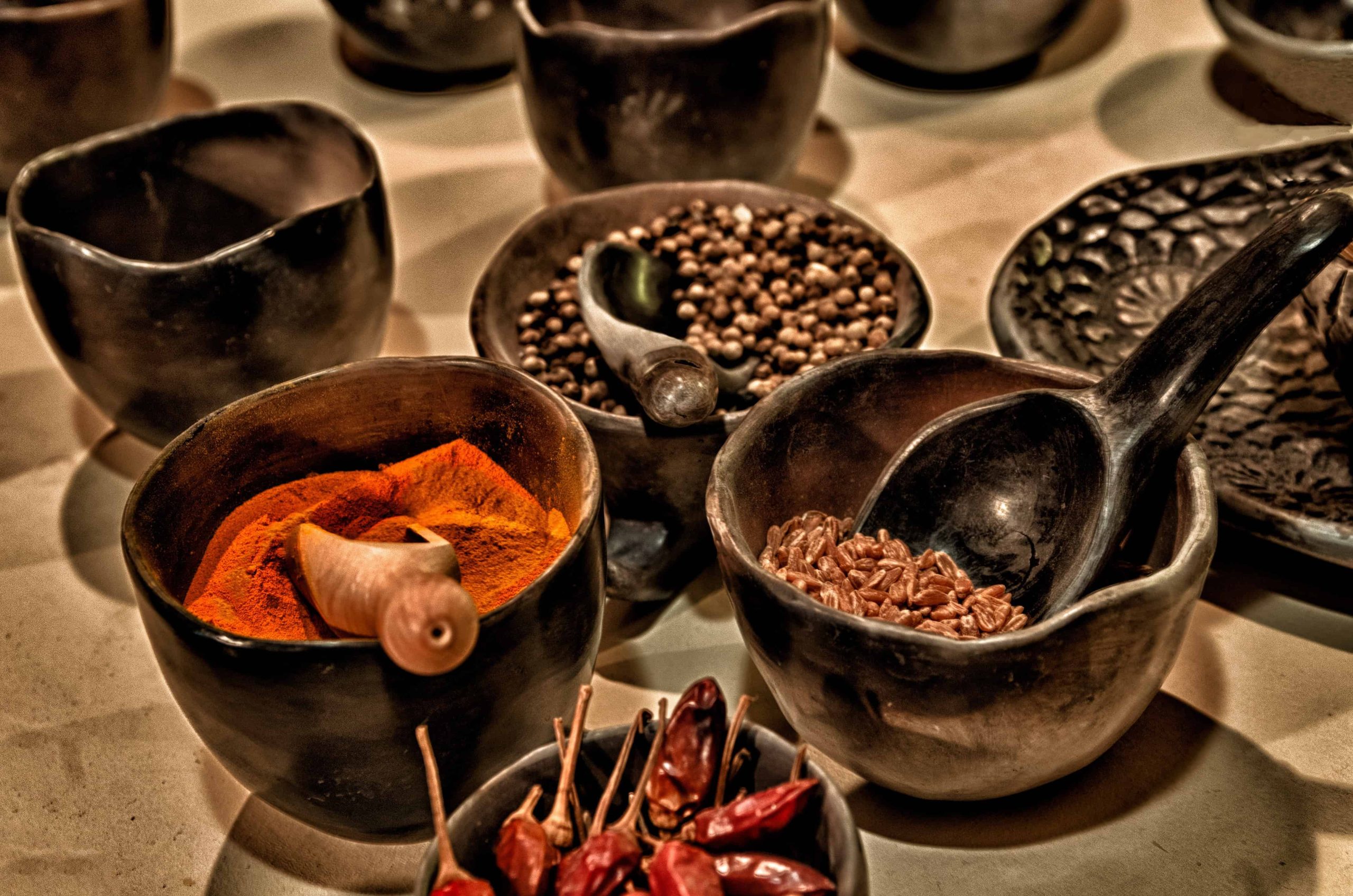
    • Vata is the energy of breathing, circulation, elimination, movement, speech, enthusiasm, creativity, and the nervous system. A vata constitution has a tendency towards arthritis, constipation and anxiety. Vata people are commonly thin, and they like to move around and enjoy creative activities. When imbalanced, they can be ungrounded and anxious. Balance vata with warming spices like cinnamon, cloves and cardamom (try ‘golden milk’), and ginger, garlic and black pepper.
    • Pitta rules transformations, such as metabolism and digestion, as well as body temperature, vision, complexion, courage, cheerfulness, intellect, and judgement. The pitta type has a predisposition towards infections, inflammations, and ulcers. Pittas are fiery, intense, irritable and strong. Balance pitta with cooling herbs like basil, peppermint and tarragon, vanilla, and turmeric, and by avoiding garlic.
    • Kapha governs growth, lubrication and fluid secretions, potency, patience, heaviness, compassion, and understanding. Kaphas can easily become overweight, and have diabetes or congestive disorders. Kapha individuals are ruled by the earth and water elements, and they have wide frames as well as stable natures. When imbalanced, they are unmotivated and stubborn. Balance kapha with oregano, rosemary, and thyme, and ginger and garlic, and by avoiding salt.

    Imbalance occurs when any of these energies increases in quantity, or changes in terms of its quality. Usually this happens when individuals are not able to perceive things as they are, when we mistreat our bodies, or even when we do the right things at the wrong times.

    Ayurveda and Cancer

    In Ayurveda, cancers are treated as more than just a physical condition, by regarding mental, emotional, physical, and spiritual states all together. Cancerous cells are defined as ‘bad’ cells, however, Ayurveda’s view is that they have become so disconnected from their roots in consciousness, that they’ve lost memory of how to function correctly. This is caused by unhealthy lifestyles, toxins, stress and fear, pollution, and so forth.

    There are a number of herbs and spices that can be used to treat cancer; and in this article we focus on those used to treat colon cancer. The assistance of a qualified practitioner is highly recommended as treatment are as personal as each individual’s doshas.

    Herbs and plants for treating colon cancer

    Ashwagandha: This herb helps in a large number of ailments, increases our resistance to stress while also inhibiting the growth of tumours cells.
    Garlic: This plant bulb reduces brain and colon cancer cells. Combined with broccoli, it is an effective anti-cancer agent.  
    Green tea: Tea can inhibit the formation of cancer cells, and its catechin polyphenols can reduce cancerous cells during their early stages.
    Celandine: This is a member of the poppy family, and apart from being know for treating colon cancer, it boosts the immune system.
    Aloe vera: Cleans the digestive tract and removes harmful toxins.
    Apple cider vinegar: Acts as an anti-inflammatory and has been shown to be effective in treating colon cancer.
    Ginger: This is an Ayurvedic staple, it soothes and heals the digestive tract.
    Turmeric: Claims are that the compounds in turmeric can heal just about anything. This roots causes colon cancer cells to self-destruct.  

    The Ayurvedic tradition highly recommends including these herbs, spices and such into your routine, for both prevention and healing. Healthy diets complemented by these herbs and spices have a great potential to bring about positive results. 


  • Longevity and Wellness: Using Chinese Medicine for Peak Health and Happiness

    Longevity and Wellness: Using Chinese Medicine for Peak Health and Happiness

    “To cure disease is like waiting until one is thirsty before digging a well…’” ~Li Shizhen

    It’s not hard to argue that preventing illness is easier than treating it. Classical Chinese Medicine is rooted in this idea, excelling in wellness and prevention of disease, not just treatment of it after it becomes symptomatic.

    Common, normal and well-balanced

    There are plenty of common health issues that we have come to accept as normal. For example, PMS, though common, is not considered normal in Chinese Medicine. It is seen as a treatable imbalance.

    Chinese Medicine excels at the practice of tonification–diagnosing and treating weaknesses before symptoms develop. Working in partnership with a well-trained practitioner of Chinese Medicine, a patient can discover what is working well in their systems and what may need to be attended to in order to live one’s life to the fullest.

    In addressing the weaknesses, the patient’s constitution becomes better fortified and they will be able to navigate the twists and turns of life with greater resilience and peace of mind—even evading or prolonging the onset of certain illnesses and conditions.

    Aging gracefully

    We are born with ‘essence,’ which is likened to our inherited genetic material from our parents that we also pass to our children. Essence is like a candle; qi, the vital energy that makes processes happen in our body, is like the act of the candle burning; and our spirit is like the flame. Once the flame goes out, our life is over.

    If someone is fortunate to be born with abundant essence, that person may have a long and healthy life—depending on how it is used. If we choose to live an efficient life, sleep well, exercise, and promote strong digestion, then it is possible to augment how our body uses its essence. Efficient living will supplement our prenatal essence with more postnatal essence, thus making a person more resilient and prolonging life.

    If we overtax ourselves with our lifestyle choices, the essence becomes depleted faster, and it doesn’t matter how much essence a person is born with— when it is gone, our life is over.

    Visiting an acupuncturist

    During an intake with a Chinese Medicine practitioner, a patient is given a thorough and individualised assessment, bearing in mind the mental, emotional and physical state of the patient, seasonal influences, diet, lifestyle, sleep, and more. The practitioner will feel your pulse, look at your tongue, and may even palpate some points on your body.

    The result is an individualised treatment plan geared to diagnose and treat a patient’s condition and to look at the road ahead. We can’t evade death forever, yet we can learn how our body ages, and to lessen that impact through lifestyle choices and treatment. Even if you feel great now, our tendencies can be seen and we can learn how to minimise or prolong the threat of disease.

    Chinese medicine is sensitive enough to gather diagnostic information, and sophisticated enough to provide targeted remedies in the form of acupuncture, herbs, moxibustion, nutritional counseling, lifestyle recommendations (including exercise), and massage therapy.

    What can I do on my own? 

    Well-being in body-mind-spirit is like sailing a boat, noticing when veering off course, and gently bringing oneself back on track is the aim. With practice, the boat won’t veer too far, and one’s health will remain balanced and more able to return to states of harmony. Simply follow your practitioner’s instructions, and ask questions when you don’t understand, as these concepts rooted in classical Chinese philosophy may sound foreign.

    Wisdom of the seasons

    Eating seasonal, well-sourced foods is often a good place to start your journey towards a stronger you. Food can be used as daily medicine.

    The winter is the time to build up resources in our bodies through eating rich, nourishing soups and stews with warming spices such as cinnamon—bone broth is especially good. It is a time to go inward and to get more rest and regenerate in preparation for the activities of the spring. This is often a missing piece of living in modern western cultures.

    The heat of summer begs us to consume lighter fare as we tend to be more active, sweat, and discharge wastes. Our bodies tend to be more vulnerable to climatic changes in the spring and fall, so care should be taken during these seasons to protect against colds and flus, and dramatic changes in the diet should be avoided. Following the seasons can put us in greater harmony and flow with the world around us.

    Cultivating the mind: becoming more aware of oneself

    Sometimes our busy lives can deplete our internal resources making it difficult to replenish what is missing—unless we alter our lifestyle. It is akin to trying to fill a sieve. We keep adding tonifying treatments, yet it leaks out faster than we can fill it. Often, that is a result of not having enough “yin time.” Find some time each day to reconnect to the source of who you are through yoga, meditation, or just quietly sitting without phones or media screens.

    Participating in community 

    Whether we are introverts or extroverts, we are still social creatures who create and are created by our social groups. Take a look out at the world and see where you want to direct your energies. Reach out, join up and connect with others. It will benefit your emotional well-being, which will lead to better physical well-being, as was discovered in a study by Cambridge University on the elderly in Italy.

    In all, the concept of health is approached in a sophisticated and systematic way in Chinese medicine. There is usually opportunity to strengthen one’s constitution through targeted therapies that will not only prepare a person for a better tomorrow, but also provide for a better today. 

  • Weight Management Through Detox Tea

    Weight Management Through Detox Tea

    Is your Instagram flooded with people who have dramatically transformed their health and bodies? Have you been working for a similar body, energy, and glow to no avail? Have you pondered whether it is your age or your metabolism, or if mother nature herself has a longstanding vendetta against you? Do not fret! Your body just may need a little more help due to years of stagnation, toxic foods, and pollution.

    Weight Loss Myths: The importance of metabolism

    We have been sold the idea that our metabolism is a static mechanism that determines how we process food. This is a myth! According to Harvard Medical School, metabolism— the process by which your body converts calories into energy—is real and everyone’s is different. The great news is, regardless of your age or weight, metabolism can be revved up by taking a few key steps like eating healthy, exercising—and having a cup of tea.

    Cleansing With Tea

    Your body may be bogged down from the choices of your past and may need a reset. Tea is a great option for doing just that. Our bodies are able to naturally detoxify themselves. But if you have a history of poor nutrition, lack of sufficient hydration, and have a build up of environmental pollutants, this can be a difficult job. This is where teas can help.

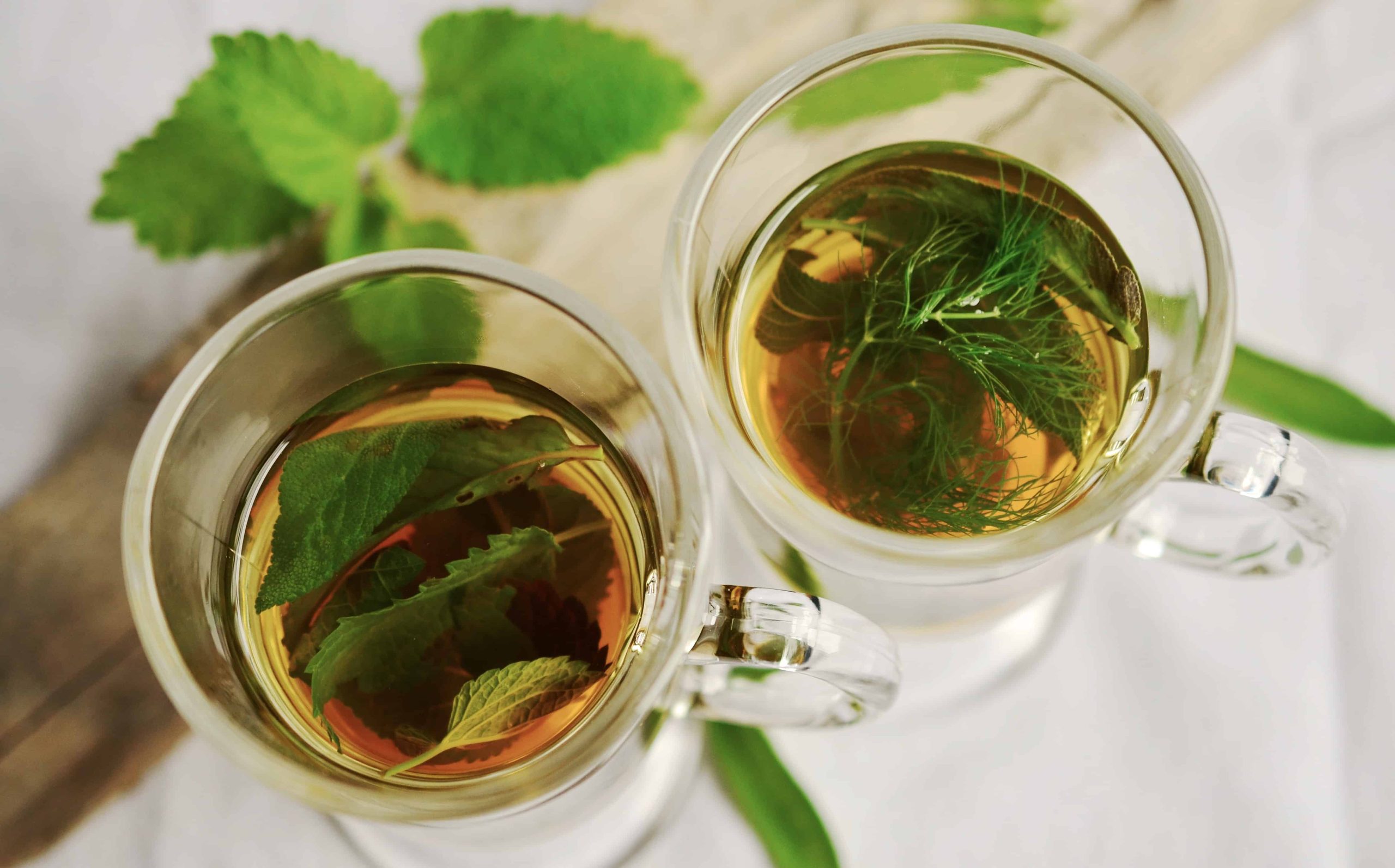
    Drinking tea can do everything from cleansing the body and supporting liver function to purging toxins and increasing energy, thereby promoting weight loss. Not only delicious, detox teas are a healthy way to completely transform your body and mind from the inside out. Teas are abundant in polyphenols and antioxidants, which protect your inner and outer tissues from harmful toxins and disease, while promoting strength and health. So, when you detox using teas, you are consuming nutrition that supports the natural functions and balance of your body.

    The Benefits of Tea

    The caffeine found in tea is not like that in an energy drink or that cup of coffee one yearns for in the morning. While naturally caffeinated, drinking them can increase energy and focus. Tea also contains the amino acid, L-theanine, which promotes calmness and a relaxed state. This means no jitters or mid-day crash. The energy you gain from tea is balanced. Though caffeine levels differ by tea, overall a cup of tea has one-half to two-thirds less caffeine than a cup of coffee. If you want less caffeine in your tea, decrease the steeping time and use cooler water when brewing, as it will draw out less caffeine from the leaves. Alternatively, choose a lighter tea, like white.

    Types of Tea

    Generally speaking, there are four types of teas, three of which are true teas from the camellia sinensis plant. They are: black, white, and green. The fourth, red tea, comes from the South African rooibos plant, not actually a tea yet brewed and consumed for its soothing and medicinal qualities just the same. Tea leaves are oxidised (wilted and fermented) differently, producing their unique colours, strengths, and flavours.

    • Black tea Oxidised the longest and giving it that dark rich colour and bold versatile flavour, black tea is processed in one of two ways: one, the orthodox method, where it is laid out to wither (oxidise) for up to 18 hours, twisted in a machine and oxidised again before cooking, which stops the oxidation process; two, the cut, tear, curl method (used to make tea bags), same as the above method, but skips the twisting or “bruising” stage. Black Tea boosts energy, improves focus and alertness, lowers stress levels improving heart health, and decreases the risk of certain cancers.
    • White Tea White teas are the least processed—they are not torn, twisted or bruised to initiate oxidation. They are light in colour and flavour, and are low in caffeine and high in antioxidants, promoting cellular fitness (fighting early ageing), aiding in oral health, and strengthening the immune system.
    • Green Tea The least fermented of the bushel is green tea. The leaves and buds are plucked and quickly sent to heating which stops the oxidation process and maintains the green colour. Considered a superfood, green tea is rich in vitamins and antioxidants, increasing metabolism (which burns fat), improves heart health and memory, and strengthens brain cell activity.
    • Red Tea Not actually a tea at all, red tea is abundant in antioxidants and used as an anti-inflammatory. It is reputed to improve heart health, assist in treating diabetes, lower risks of certain cancers, and encourage healthy digestion which increases metabolism.

    If you are still not getting the results from you weight loss routine that you desire, maybe it’s time to reset your body by detoxing with teas. The teas discussed here can be enjoyed hot or cold, and many are pre-made and readily available at your local market. Need a little more help on your journey to a more fit and healthier you?  Check out our Full Body Reset 8 Day All Inclusive Package and feel the benefits of our Chai Dim Organic Detox Tea and eating beautiful organic food daily, all while surrounded with positive embracing vibes.  

  • Nike ontdekt de atletische kracht van yoga

    Nike ontdekt de atletische kracht van yoga

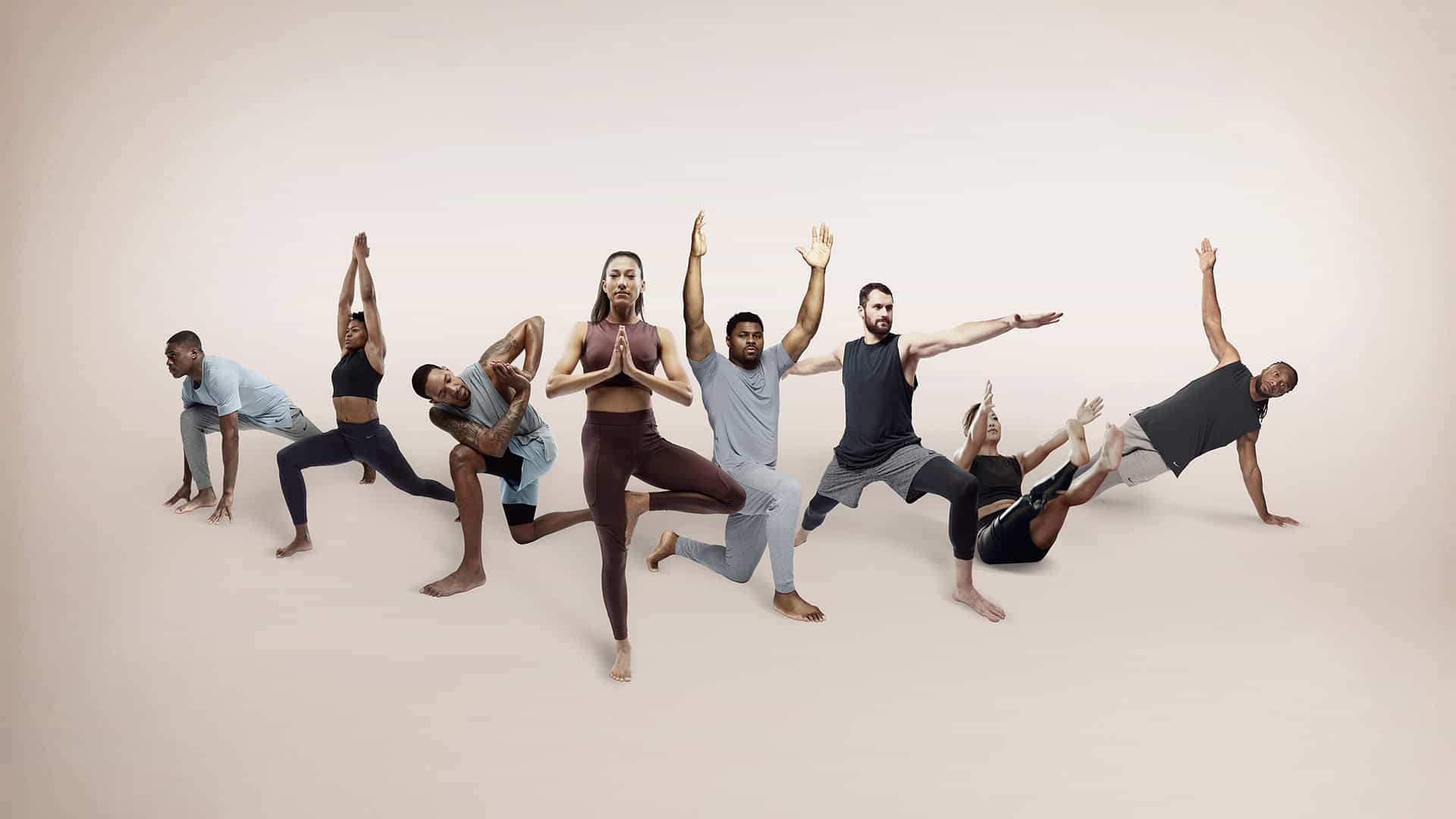
    Yoga-oefeningen zijn doorgaans niet bedoeld om het ‘beter’ te doen dan een ander. Toch zien steeds meer competatieve sporters er de meerwaarde van in. Sportgigant Nike volgt de trends in de sportwereld op de voet, en introduceert deze maand een nieuwe kledinglijn speciaal voor het beoefenen van yoga. In de promotiebeelden van de Nike-campagne zijn verschillende sporters in yogahouding te bewonderen.

    Beroemde sporters op de yogamat

    Steeds meer professionele Amerikaanse sporters beginnen hun dag met een zonnegroet. Een aantal van hen figureert in de nieuwe Nike-campagne, zoals atleet Christian Coleman, basketballers Alana Beard en Channing Frye, en Paralympics atleet Scout Bassett. Alana Beard is een stuk mobieler geworden door yoga: ‘Als je een goede verdediger wil worden, moet je ook je heupen kunnen bewegen.’ Sprinter Scout Bassett ziet veel overeenkomsten tussen zijn sport en yoga: ‘Ik geloof dat veel mensen dat rennen alleen maar armen en benen gebruikt, maar het is ontzettend belangrijk om je core aan te spannen en een goede mechaniek te hebben.’

    alana beard yoga kleding sport training nike

    Yoga als sporttraining

    Naast een kledinglijn introduceert Nike vier yogaworkouts op de Nike Training Club app, speciaal voor het trainen van kracht en stabiliteit, uithoudingsvermogen of flexibiliteit. Op de website van de sportgigant wordt nog eens precies uitgelegd wat de voordelen van yoga zijn voor sporters, van atleten tot basketballers tot turners:

    1. Yoga brengt het lichaam van een actieve staat terug naar een staat van rust: zo vind je kalmte en concentratrie tijdens een intensieve work-out.
    2. Van oog-handcoördinatie tot het behouden van balans, yoga kan bewegingsvaardigheden verscherpen en verbeteren.
    3. Yoga helpt spieren te herstellen. Houdingen met een lage impact op de spieren verbeteren de bloedstroom en verminderen de hersteltijd van je spieren.
    4. Met typische yoga-oefeningen zoals de zonnegroet ga je in een vloeiende beweging van houding naar houding. Goed voor je flexibiliteit, en een stuk leuker dan simpele stretch-oefeningen.
    5. Voor elke sporter is het belangrijk om controle uit te oefenen over de bekken. Yoga maakt je extra bewust van je core

    Als sportkledingmerk is het logisch dat Nike zich richt op de fysieke voordelen van yoga. Daardoor slaat het bedrijf echter wel een belangrijk punt over. Het oorspronkelijke doel van yoga is niet om je lichaam tot een atletisch uiterste te drijven, maar om je mentale en fysieke gezondheid in balans te brengen. Ook dit aspect kan competatieve sporters helpen om hun intensieve levensstijl vol te houden.

  • 3 yogische ademhalingsoefeningen voor kalme feestdagen

    3 yogische ademhalingsoefeningen voor kalme feestdagen


    Wanneer onze zintuigen overgestimuleerd zijn, raken we gestresst en uit balans.

    Pratyahara is een techniek in de yoga om te leren je zintuigen te kalmeren. Het is het 5e element onder de Acht ledematen van yoga, zoals genoemd in het klassieke werk, Yoga Sutra’s van Patanjali gecomponeerd in de 2e eeuw voor gangbare jaartelling.

    Met slechts 10 minuten in de ochtend en 10 minuten in de avond voordat je gaat slapen, zullen de volgende drie oefeningen zeer nuttig zijn om je tijdens de feestdagen kalm en in balans te houden:

    Voorbereiding:

    Vind een stabiele en comfortabele zithouding, met uw rug rechtop en de schouders ontspannen. Je kunt op de grond zitten met de steun van een meditatiekussen of bolster, of je kunt op de rand van een stoel zitten, met je voeten stevig op de grond. Sluit je ogen en word je bewust van het ritme van je ademhaling: laat je adem een minuut of twee natuurlijk vloeien, zonder de snelheid of diepte te veranderen. Zorg ervoor dat u ter alle tijde door uw neus ademt, tenzij anders wordt aangegeven.

    1. Oefening: Langzame Uitademingen

    Begin nu 4 tellen in te ademen en adem uit voor 8 tellen. Probeer de ademhaling gelijkmatig te verdelen over de hele uitademing. Herhaal 6 tot 8 keer zonder inspanning en zonder je adem in te houden.

    •     Als tweede stap verhoog je tellen voor uitademing tot 12. Dus, 4 tellen inademing en 12 tellen voor uitademing. Probeer de lucht gelijkmatig te verdelen over de hele uitademing. Herhaal 4 – 6 keer zonder inspanning en zonder je adem in te houden.

    •     Als laatste stap v verhoog je de tellen voor uitademing naar 16. Dus, 4 tellen inademing en 16 tellen voor uitademing. Probeer de lucht gelijkmatig te verdelen over de hele uitademing. Herhaal 4 – 6 keer zonder inspanning en zonder je adem in te houden. Terwijl je uitademt, kun je visualiseren dat je ademhaling als een dunne draad is die door het oog van een naald gaat. Deze visualisatie zal je helpen om de adem gelijkmatig te verdelen en de stroom stabiel te houden.

    •     Om deze oefening te beëindigen, haal drie keer diep adem en adem elke keer met een zucht uit de mond. Laat je ademhaling vervolgens terugkeren naar het natuurlijke ritme.

    2. Oefening: Wisselende Neusgat Ademhaling (Anuloma Viloma)

    •     Zoek een stabiele en comfortabele zithouding, met jerug rechtop en de schouders ontspannen. Je kunt op de grond zitten met de steun van een meditatiekussen of bolster, of je kunt op de rand van een stoel zitten, met je voeten stevig op de grond.

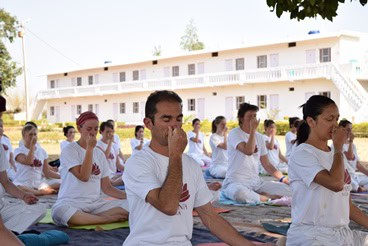
    •     Plaats je rechterhand in Vishnu Mudra door de wijs- en middelvinger naar binnen te vouwen. Sluit je rechter neusgat met je duim en adem volledig uit door je linker neusgat.

    •     Adem in voor 4 tellen via je linker neusgat.

    •     Sluit je linker neusgat met de ring en pink, zodat beide neusgaten nu gesloten zijn. Hou je adem in voor 8 tellen.

    •     Hou je linker neusgat gesloten, la je rechter neusgat los en adem volledig uit tot een telling van 8.

    •     Hou je linker neusgat dicht en inhaleer door je rechter naar een telling van 4.

    •     Sluit beide neusgaten en hou je adem in voor een telling van 8.

    •     Hou je rechter neusgat gesloten, la je linker neusgat los en adem volledig uit voor een telling van 8.

    •     Dit voltooit één ronde. Ga door met deze oefening gedurende 5 tot 10 minuten.

    Voor beginners wordt de verhouding van 1: 2: 2 aanbevolen. Dus 4 tellen inhalatie, 8 tellen retentie, en 8 tellen uitademing.

    •     Naarmate je je meer op jegemak voelt bij deze oefening, kun je de verhouding van de oefening naar 1: 4: 2 nemen, wat de klassieke en juiste manier is. Dus 4 tellen inhalatie, 16 tellen retentie en 8 tellen uitademing.

    •     De telling van de oefening kan worden verhoogd, maar altijd in een verhouding van 1: 4: 2.

    Contra-indicaties en waarschuwingen

    Anulom Vilom kan door iedereen worden beoefend, het is een ademhalingsoefening met zeer veel voordelen. Sommigen moeten echter de retenties overslaan en alleen de ademhaling in- en uitwisselen. Sla de retenties over als u zwanger bent of als u lijdt aan hypertensie, angst of paniekaanvallen.

    3. Oefeningen: Hommel Ademhaling (Brahmari)

    •     Sluit je ogen en concentreer je op je natuurlijke ademhaling.

    •     Plaats je handen in Shanmukhi Mudra. Dat doe je als volgt:

          o Sluit je oren met je duimen

          o Plaats je wijsvingers op de onderste delen van je oogleden om je ogen te sluiten

          o Gebruik je middelvinger om je neus gedeeltelijk te sluiten

          o Plaats je ringvingers boven je lippen en je pinken onder de lippen om de mond te sluiten.

    (Shanmukhi Mudra vertaalt letterlijk naar “zes monden” en door onze vingers in de bovengenoemde posities te plaatsen, sluiten we de zes monden van onze zintuigen, waardoor de sensorische input van om ons heen tot een minimum beperkt wordt)

    •     Adem nu in via je neusgaten en wanneer je inademt, trek je je glottis enigszins samen en schakel je je stembanden voorzichtig in om een licht snurkgeluid te creëren. Adem langzaam en comfortabel in en creëer tegelijkertijd dit snurkend geluid (we noemen het soms ook wel een monster-achtig geluid).

    •     Als je je inhalatie hebt voltooid, adem dan zo lang mogelijk uit. Terwijl je uitademt, maak je een hoog zoemend geluid. Creëer dit gezoem in je neus en visualiseer dat je dit geluid door je derde oogchakra boort (tussen je wenkbrauwen).

    • Behoud de Shanmukhi Mudra gedurende de gehele oefening.

    • Herhaal 6 – 8 keer en sluit af  met een uitademing.

    blog ademhaling feestdagen rust kalm stress yoga international magazine

    Ram Jain

    Ram is stichtend directeur van de Arhanta Yoga Ashrams (India en Nederland). In de afgelopen 10 jaar zijn de Arhanta Yoga Ashrams internationaal beroemd geworden vanwege hun professionele yoga-lerarenopleidingen en hebben ze tot nu toe meer dan 3000 yogaleraren van over de hele wereld getraind.

    Geboren in New Delhi, India, in een traditioneel en spiritueel gezin, zijn Yoga en Vedische filosofie onderwijs begon op de leeftijd van acht jaar als een onderdeel van zijn basisonderwijs. Hij heeft een grondige kennis van klassieke Hatha-yoga en is ook goed thuis in oude Indiase geschriften. Tijdens zijn negentienjarige loopbaan heeft hij met verschillende anatomie- en fysiologie-experts gewerkt en unieke leer-, aanpassings- en modificatietechnieken ontwikkeld.

    Momenteel is hij de hoofddocent voor verschillende lerarenopleidingsprogramma’s, variërend van Hatha Yoga, Yin Yoga, Vinyasa Yoga, tot Meditatie en Yoga Nidra. Hij geeft een aantal maanden per jaar les in India en de rest van het jaar in Nederland, waar hij ook woont met zijn vrouw en twee kinderen.

     blog ademhaling feestdagen rust kalm stress yoga international magazine

  • Minder snel ziek dankzij yoga

    Minder snel ziek dankzij yoga

    Yoga staat bekend om zijn stress reducerende werking, te zien aan de vele YouTube video’s waar yogaseries tegen stress worden uitgelegd. Naast een positief effect op je humeur hebben zulke oefeningen ook een positief effect op je immuunsysteem.

    Stress, een stiekeme sloper

    Veel mensen worden sneller ziek tijdens drukke periodes op hun werk of zware omstandigheden in hun persoonlijke leven. Het voelt vaak als nóg iets op die grote stapel om je zorgen over te maken, maar het is eigenlijk heel logisch. Het komt namelijk door de verschillende hormonen die vrijkomen tijdens stress.

    Adrenaline is het hormoon wat het vaakst met stress wordt geassocieerd: wanneer je in een noodsituatie komt, kan je daardoor sneller vluchten of vechten. Dit is ook het hormoon wat je hartslag en ademhaling omhoog drijft, je laat zweten en je laat schrikken bij onverwachte geluiden. Dit houdt je lichaam in een overlevingsstand totdat de dreiging voorbij is.

    Maar wat als de dreiging lang duurt, zoals bij geldproblemen of langdurig zieke familieleden? Dan maakt adrenaline plaats voor cortisol, zijn geniepige broertje. Cortisol zorgt voor minder zichtbare stress-symptomen: je hebt niet continu een racende hartslag, maar vanbinnen staat alles nog steeds op code rood. Dit merk je doordat je bijvoorbeeld slechter slaapt, vaker ziek bent, prikkelbaar reageert of een hoge ademhaling hebt. Zo wordt stress een langzame sloper, zowel fysiek als mentaal.

    Yoga helpt tegen stress, zeker wanneer je het langer beoefent. Tijdens een goede, geconcentreerde yogasessie maak je ruimte in je hoofd, waardoor er geen plek is om te piekeren. Ook helpen de kalme bewegingen om je bloed te laten stromen en je verkrampte spieren los te maken, waardoor de fysieke symptomen van stress ook afnemen. Dit wordt beaamd door recente onderzoeken waarbij het niveau van stresshormonen werd gemeten, voor én na 12 weken regelmatig yoga beoefenen. De hoeveelheid cortisol en andere hormonen die een grotere hoeveelheid infecties aangaven ging omlaag, terwijl stoffen die het immuunsysteem stimuleren en het lichaam beschermen vaker voorkwamen. Ook voelden mensen zich mentaal beter: ze waren stabieler en voelden zich rustiger. Zo helpt yoga om je beter te voelen, en je lichaam gezond te houden.

    Yogahoudingen tegen stress

    Terwijl dagelijks yoga beoefenen al helpt tegen stress, kunnen er alsnog periodes zijn waarin je nét iets meer nodig hebt om je prettig te voelen. Deze yogahoudingen kan je integreren in je ochtend- of avondroutine om je hoofd tot rust te brengen en zware tijden beter te doorstaan.

    Boomhouding (Vrksasana)
    Sta met twee benen op de grond, en til je rechterbeen op. Zet de binnenkant van je rechtervoet tegen de binnenkant van je linkerknie, en strek je armen boven je hoofd. Herhaal dit met je andere been. Omdat je al je aandacht nodig hebt om op één been te blijven staan, wordt je hoofd leeg en krijg je rust. Ook is het een aardende houding, waarbij je moet concentreren op hoe je op de grond staat. Hierdoor blijf je beter in het nu, en raak je de spanning over de toekomst kwijt.

    Blije baby houding (Ananda Balasana)
    Ananda Balasana is afgeleid van de Kindhouding (Balasana), maar is iets luchtiger en daardoor veel leuker. Ga op je rug liggen op je yogamat, en steek beide benen in de lucht. Pak je voeten beet en wiebel heen en weer. Hierdoor ontspant je zenuwstelsel. Wanneer je er zin in hebt, kan je ook heen en weer wiebelen en giechelen: deze houding nodigt daar zeker toe uit.

    Staande voorwaartse buiging (Uttanasana)
    Zet je voeten naast elkaar en buig je langzaam voorover om Uttanasana uit te voeren. Wanneer je helemaal ontspannen voorover hangt, ontspannen je  rug- en schouderspieren uit en laat je dus ook een deel van de spanning los. Daarnaast wordt je bloedsomloop gestimuleerd, waardoor de energie terugkrijgt die je door stress vaak verliest.

    Krijgerhouding III (Virabhadrasana III)
    Virabhadrasana III is een balanshouding: begin met twee benen stevig op de grond geplant. Steek een been naar achter en strek je lichaam horizontaal uit, met je handen voor je borstkas gevouwen. Blijf zo rustig ademend staan. Met deze krijgershouding voel je je strijdbaar en heb je meer zelfvertrouwen om je problemen het hoofd te bieden. Virabhadrasana III is daarbij ook nog een balanshouding waardoor je de stress even los kan laten.

    Lijkhouding (Savasana)
    Savasana is de eenvoudigste yogahouding die er is: ga op je rug op je yogamat liggen, leg je armen naast je lichaam en adem rustig door. Hierdoor is Savasana de perfecte houding om mee te eindigen wanneer je een heerlijke ontspannende yogaroutine hebt gedaan. Zo heb je een laatste oplaadmoment, en kan je de wereld weer aan.

    Bronnen:
    Bustle, 11 health conditions doing yoga can help with according to science
    Harvard Health Publishing, Yoga could slow the harmful effects of stress and inflammation